
Nourish To Flourish
Beyond Water
The Science of Precision Hydration
Water seems simple enough, just drink eight glasses a day, right? October's cooler temperatures might make us less aware of our hydration needs, but emerging science reveals that optimal fluid balance is far more nuanced than generic recommendations suggest. Welcome to precision hydration, where individual biology meets strategic fluid management.
Your hydration needs are as unique as your fingerprint, influenced by factors ranging from your sweat rate and electrolyte losses to your daily activities and even your genetic makeup. The one-size-fits-all approach to hydration is giving way to personalized strategies that optimize not just how much you drink, but what and when you drink it.
The Electrolyte Revolution
Plain water, while essential, tells only part of the hydration story. Water and the principal electrolytes (sodium, potassium, and chloride) are essential dietary components that must be acquired from the diet in precise balance to maintain cellular function.
Think of electrolytes as your body's electrical system. These minerals conduct the nerve impulses that make your heart beat, your muscles contract, and your brain function. When you lose electrolytes through sweat, breathing, or normal metabolic processes, simply replacing water without these essential minerals can actually worsen hydration at the cellular level.
This explains why athletes who drink only water during long training sessions sometimes experience hyponatremia, a dangerous condition where blood sodium levels drop too low. It also explains why many people feel fatigued or experience headaches despite drinking plenty of water throughout the day.
Individual Hydration Fingerprints
Modern hydration science recognizes that fluid needs vary dramatically between individuals. Some people are naturally heavy sweaters who lose significant sodium through their skin. Others have efficient kidneys that conserve electrolytes effectively. Climate, altitude, stress levels, medications, and even the foods you eat all influence your hydration equation.
Precision hydration companies now help athletes personalize their hydration and fueling strategies through individual sweat testing and metabolic analysis. While these services were once limited to elite athletes, the principles are increasingly accessible to everyday health enthusiasts seeking optimal performance and wellbeing.
The goal isn't perfect precision for most people, it's awareness. Understanding your body's signals and adjusting your fluid intake accordingly can dramatically improve energy levels, cognitive function, and physical performance.
Timing and Composition Matter
When you hydrate matters almost as much as what you drink. Your kidneys can only process about 32 ounces of fluid per hour, which means chugging water isn't an efficient hydration strategy. Instead, consistent sipping throughout the day maintains optimal fluid balance without overwhelming your system.
Morning hydration deserves special attention. After hours without fluid intake, your body wakes up naturally dehydrated. Starting your day with fluids that contain a small amount of natural electrolytes, whether from a pinch of sea salt in water, coconut water, or electrolyte tablets, can jumpstart proper hydration more effectively than plain water alone.
Evening hydration requires a different approach. While you want to maintain fluid balance, drinking large amounts before bed disrupts sleep quality. The key is consistent hydration throughout the day so that evening intake can be minimal.
Hypotonic Solutions and Cellular Uptake
The concentration of your fluids affects how quickly they're absorbed. Hypotonic drinks, those with lower concentrations of dissolved particles than your blood, are absorbed faster than plain water or high-sugar beverages. This is why many precision hydration products use specific ratios of electrolytes and minimal carbohydrates to optimize cellular uptake.
Sports drinks often contain too much sugar and too little sodium for optimal daily hydration. They're designed for high-intensity exercise lasting longer than an hour, not for general wellness. For everyday hydration, lighter electrolyte solutions with 250-500mg of sodium per 16 ounces often work better than heavily sugared alternatives.
Natural options like coconut water provide potassium and some sodium, though the ratios may not match your individual losses. Bone broth offers sodium, potassium, and minerals in a whole-food form. Even a small amount of sea salt in water can significantly improve hydration compared to plain water alone.
Signs of Optimal Hydration
Proper hydration extends beyond preventing thirst. Well-hydrated individuals typically experience consistent energy levels throughout the day, clear thinking, healthy skin elasticity, and pale yellow urine. They rarely experience afternoon fatigue crashes or headaches that disappear with fluid intake.
Pay attention to your body's subtle signals. Morning stiffness, afternoon energy dips, difficulty concentrating, or feeling cold might all indicate suboptimal hydration. These symptoms often improve dramatically with strategic fluid and electrolyte management.
Tasty Highlight!
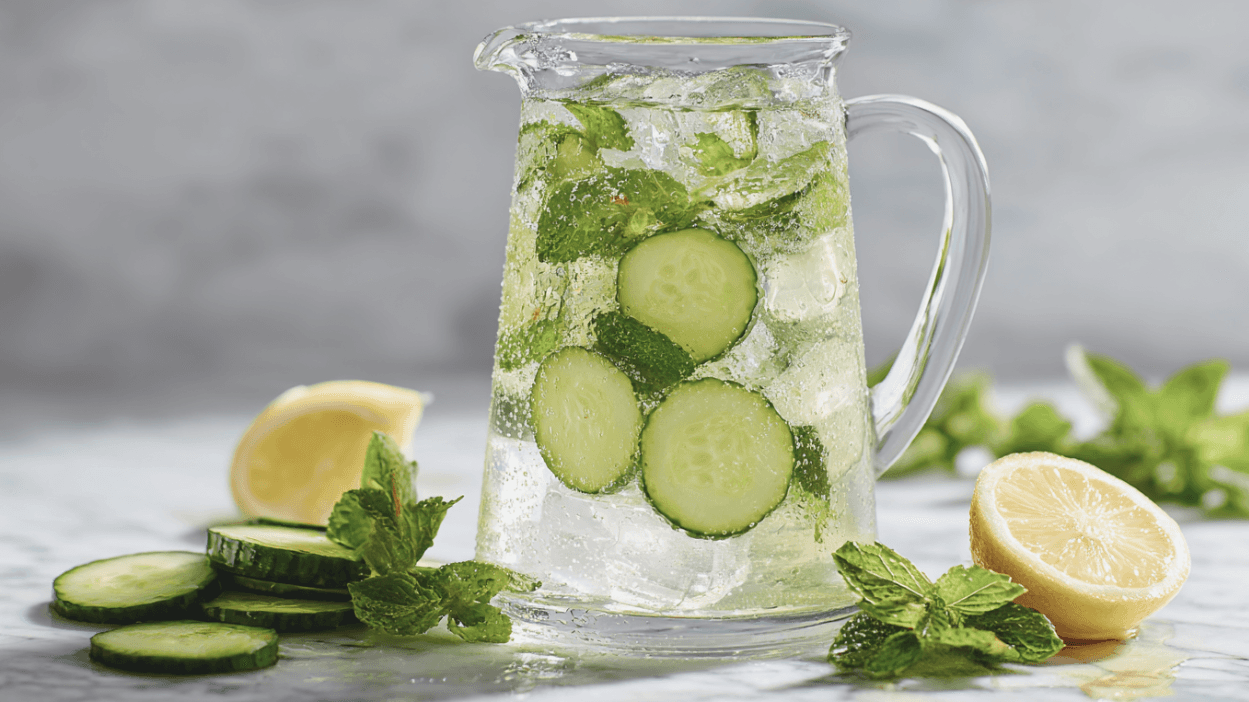
Electrolyte-Rich Cucumber Mint Water
This refreshing hydration enhancer provides natural electrolytes and makes plain water more appealing for consistent daily intake.
Ingredients |
|---|
|
Optional Boosters |
|---|
|
Instructions |
|---|
|
This is naturally flavored water provides sodium, potassium, and trace minerals while making hydration more enjoyable. The cucumber adds silica and potassium, mint aids digestion, and lemon provides vitamin C, all while encouraging the consistent fluid intake that optimal health requires.